

How to Determine the Right Type of Website for Your UK Small Business: A Guide with Pros and Cons
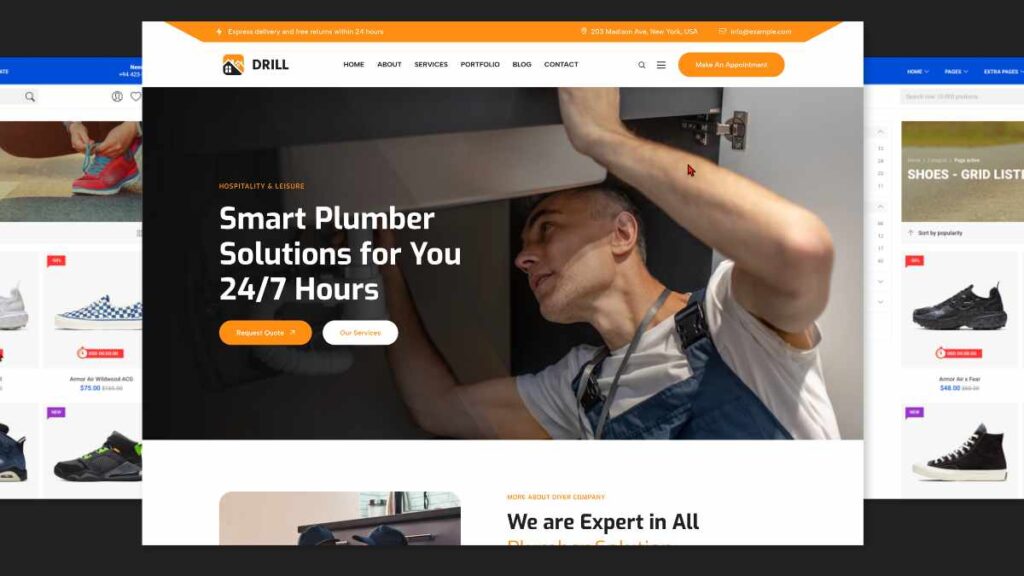
For small business owners in the UK, an online presence is now a necessity rather than a luxury. However, with numerous website types available, selecting the most suitable one can feel daunting. Your decision should hinge on your objectives, budget, target audience, and available resources. This guide outlines the primary website options for UK small businesses, offers a framework for choosing, and evaluates the advantages and disadvantages of each.
Step 1: Clarify Your Objectives
Begin by defining your website’s purpose. This will shape your choice. Typical goals include:
- Promoting your brand: Share your story and establish credibility.
- Selling products: Facilitate direct online purchases.
- Generating leads: Collect contact details for future opportunities.
- Providing information: Inform customers about your offerings or sector.
Step 2: Evaluate Your Resources
Consider your financial constraints, time availability, and technical expertise. A simple website might cost a few hundred pounds and be ready in a weekend, whereas a custom e-commerce platform could require thousands and ongoing management.
Step 3: Understand Your Audience
Identify your customers and their online habits. A digitally adept audience may expect a sophisticated, feature-rich site, while a local clientele might only need essential details like contact information and operating hours.
Here are the main types of websites available to UK small businesses, along with their benefits and drawbacks.
1. Informational/Brochure Website
What it is: A concise site (typically 1-5 pages) featuring core details—your business overview, services, contact information, and possibly a blog.
Best for: Service-based firms such as plumbers, consultants, or legal practices seeking a professional online presence without complex functionality.
Advantages:
- Cost-effective: Affordable to create and maintain.
- Swift setup: Can be operational within days.
- Search engine optimisation (SEO) benefits: Enhances visibility on Google.
Disadvantages:
- Limited capabilities: Lacks e-commerce or advanced features.
- Restricted scalability: Expanding functionality may necessitate a redesign.
- Basic appearance: May not distinguish you from competitors with more dynamic sites.
2. E-Commerce Website
What it is: A platform designed for online sales, incorporating a product catalogue, shopping basket, and payment processing.
Best for: Retailers or producers selling physical or digital goods, such as high street shops or independent artisans.
Advantages:
- Revenue potential: Operates round-the-clock, reaching customers beyond your local area.
- Customer convenience: Offers an effortless purchasing experience.
- Scalability: Easily accommodates new products or categories.
- Insightful analytics: Tracks sales and customer behaviour.
Disadvantages:
- Higher investment: Costs can range from £1,000-£10,000+ depending on complexity.
- Time-intensive: Managing stock, delivery, and updates demands effort.
- Technical requirements: Needs secure payment systems and regular maintenance.
- Competitive landscape: Faces challenges from major players like Amazon UK.
3. Blog or Content-Driven Website
What it is: A site centred on articles, guides, or insights, often paired with a brief “about” or “services” section.
Best for: Businesses leveraging expertise or thought leadership, such as coaches, educators, or niche specialists.
Advantages:
- Credibility boost: Positions you as an authority in your field.
- SEO advantage: Regular content improves search engine rankings.
- Low entry cost: Can begin at no cost with platforms like WordPress
- Audience engagement: Encourages repeat visits with fresh material.
Disadvantages:
- Time commitment: Producing consistent, quality content requires dedication.
- Gradual returns: Building traffic and leads takes time.
- Limited sales focus: Less effective for immediate conversions without additional features.
4. Portfolio Website
What it is: A visual display of your work, often featuring galleries or case studies.
Best for: Creative professionals like photographers, designers, or contractors showcasing past projects.
Advantages:
- Visually compelling: Effectively highlights your expertise.
- Client confidence: Demonstrates proven results to prospective customers.
- Low upkeep: Updates only needed for new projects.
Disadvantages:
- Narrow purpose: Unsuitable for e-commerce or extensive content.
- Specific audience: Primarily appeals to potential clients rather than general visitors.
- Design-dependent: Poor presentation could undermine its impact.
5. Landing Page or One-Page Website
What it is: A single-page site consolidating key information (e.g., headline, services, contact form) in a scrollable layout.
Best for: Startups, freelancers, or businesses launching an online presence with minimal investment.
Advantages:
- Economical: Cost effective to establish.
- Rapid deployment: Can be live within days.
- Clear focus: Delivers essential information without distractions.
- Mobile-optimised: Performs well across devices.
Disadvantages:
- Limited scope: Cannot accommodate complex services or extensive content.
- SEO challenges: Fewer pages reduce search engine visibility.
- Perception risk: May appear less substantial to some customers.
How to Make Your Decision
- Align with your goal: If you’re selling, opt for e-commerce; if building trust, consider an informational or portfolio site.
- Start modestly, expand later: A brochure site or landing page can evolve as your business grows.
- DIY or professional help?: Platforms like Shopify (e-commerce) or WordPress (blog/informational) are accessible, but a developer can offer bespoke solutions.
- Monitor and refine: Launch with your initial choice, then use analytics to adapt based on customer response.
Conclusion
There’s no universal solution. A bakery in Manchester might benefit from an e-commerce site for online orders, while an electrician in Cornwall may only need a brochure site with contact details. Assess your priorities—budget, time, and customer expectations—and select an option that suits your current position while allowing for future growth. Your website serves as your digital introduction—ensure it leaves a strong impression.